Indian Classical Music – Introduction to Indian classical music and history of Indian classical music
Introduction to Indian classical music:
- Brief overview of Indian classical music and its cultural significance
- Definition of Indian classical music and its main characteristics (e.g. improvisation, raga system)
- Mention of the two main traditions of Indian classical music: Hindustani and Carnatic
:
- Role of Hinduism and ancient Sanskrit texts in the development of Indian classical music
- Mention of the Vedas and the Samaveda, which contain hymns and melodies that are believed to be the origins of Indian classical music
- Evolution of the raga system and the concept of improvisation
Medieval period and the emergence of the gharanas:
- Mention of the Islamic conquests and the influence of Persian and Arabic music on Indian classical music
- Emergence of the gharana system, with each gharana representing a distinct style of music and a specific lineage of musicians
- Examples of famous gharanas and their contributions to Indian classical music
Modern history of Indian classical music:
- Role of the British Raj in popularizing Indian classical music in the West
- Mention of famous Indian classical musicians who have gained international acclaim (e.g. Ravi Shankar, Ali Akbar Khan)
- Influence of Indian classical music on other genres, such as jazz and rock
Conclusion:
- Recap of the main points covered in the article
- Emphasis on the cultural and historical importance of Indian classical music
- A call to action encouraging readers to explore and appreciate Indian classical music further.
Indian classical music history
Indian classical music is a rich and diverse tradition with a long and fascinating history. It is an integral part of India’s cultural heritage and has influenced music around the world.
The origins of Indian classical music can be traced back to the ancient Sanskrit texts, the Vedas and the Samaveda. These texts contain hymns and melodies that are believed to be the foundations of Indian classical music. Over time, the music developed and evolved, incorporating elements from other cultures and adopting new forms and styles.
One of the defining characteristics of Indian classical music is the use of the raga system. A raga is a specific melodic structure that serves as the basis for a musical performance. Each raga has a specific set of rules and guidelines that govern its use, and musicians are trained to improvise within the constraints of the raga. Improvisation is an essential part of Indian classical music and allows for a great deal of creativity and expression.
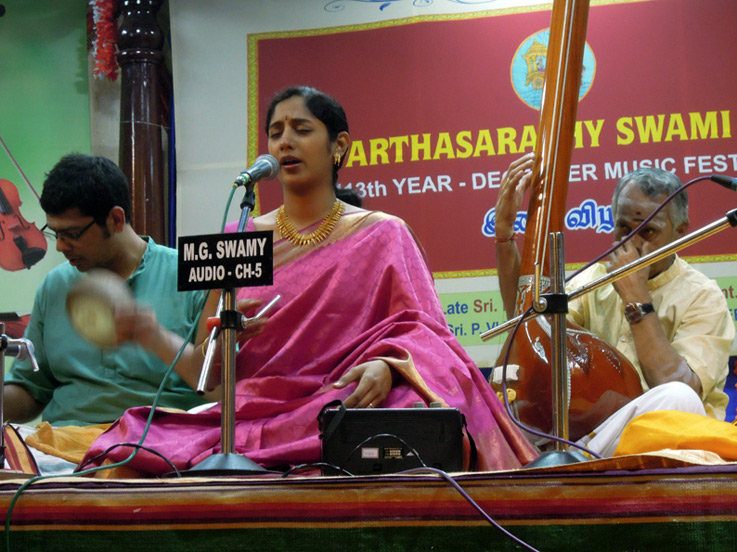
Indian classical music is divided into two main traditions: Hindustani and Carnatic. Hindustani music is predominantly performed in the northern parts of India, while Carnatic music is primarily found in the south. These two traditions have their own distinct styles, instruments, and musical forms.
In addition to the raga system and improvisation, Indian classical music is known for its intricate rhythms and melodies. It is a highly refined and sophisticated musical tradition that requires a great deal of skill and training to master. Despite its complexity, Indian classical music has a universal appeal and has gained a devoted following around the world.
So if you’re a fan of music, or simply looking to learn more about one of the world’s oldest and most revered musical traditions, delve into the rich history of Indian classical music. You’ll be treated to a world of beauty and inspiration that will surely leave you wanting more.
Indian classical music
Indian classical music is a rich and diverse tradition that has played a significant role in the cultural life of India for centuries. It is an integral part of India’s heritage and has influenced music around the world.
Indian classical music is characterized by the use of the raga system, in which a specific melodic structure serves as the basis for a musical performance. Each raga has a specific set of rules and guidelines that govern its use, and musicians are trained to improvise within the constraints of the raga. Improvisation is an essential part of Indian classical music and allows for a great deal of creativity and expression.
Indian classical music is also known for its intricate rhythms and melodies. It is a highly refined and sophisticated musical tradition that requires a great deal of skill and training to master. Despite its complexity, Indian classical music has a universal appeal and has gained a devoted following around the world.
Indian classical music is divided into two main traditions: Hindustani and Carnatic. These two traditions have their own distinct styles, instruments, and musical forms, and are primarily found in the northern and southern parts of India, respectively.
Whether you are a fan of Indian classical music or are just discovering it for the first time, there is much to explore and appreciate in this beautiful and timeless art form. From its ancient roots to its modern-day evolution, Indian classical music is a treasure trove of beauty and inspiration that is sure to leave a lasting impression.
The early history of Indian classical music
The early history of Indian classical music is closely intertwined with the cultural and religious traditions of ancient India. Hinduism played a particularly important role in the development of Indian classical music, with the Vedas and the Samaveda serving as the foundational texts.
The Vedas are a collection of ancient Sanskrit texts that contain hymns, prayers, and rituals that were used in Hindu religious ceremonies. The Samaveda, in particular, is believed to be the source of many of the melodies and musical forms found in Indian classical music. These ancient texts provide a glimpse into the musical traditions of ancient India and show how music was used as a means of worship and spiritual expression.
As Indian classical music evolved over time, the concept of the raga system emerged. A raga is a specific melodic structure that serves as the basis for a musical performance. Each raga has a specific set of rules and guidelines that govern its use, and musicians are trained to improvise within the constraints of the raga. The raga system allows for a great deal of creativity and expression, and has played a central role in the development of Indian classical music.
In addition to the raga system, Indian classical music is known for its intricate rhythms and melodies. These elements, along with the use of improvisation, have helped to make Indian classical music one of the most sophisticated and refined musical traditions in the world. As Indian classical music has evolved over the centuries, it has continued to influence and be influenced by other musical traditions, creating a rich and diverse musical landscape.
Medieval period and the emergence of the gharanas
During the medieval period, Indian classical music underwent significant changes and developments. One of the most significant of these was the emergence of the gharana system.
A gharana is a specific style of music that is associated with a particular lineage of musicians. Each gharana has its own distinctive musical characteristics and traditions, and musicians are trained in the specific style of their gharana. The gharana system originated in the medieval period and has played a major role in the development of Indian classical music.
The emergence of the gharana system was closely linked to the Islamic conquests of India. Persian and Arabic music had a significant influence on Indian classical music during this period, and the gharana system was influenced by the Islamic concept of the halaqa, a group of musicians who were trained in a specific style of music.
There are many different gharanas in Indian classical music, each with its own unique style and traditions. Some of the most famous gharanas include the Agra gharana, the Gwalior gharana, and the Jaipur-Atrauli gharana. These gharanas have produced some of the most renowned musicians in Indian classical music and have contributed significantly to the development of the art form.
The gharana system is still an important part of Indian classical music today, and many musicians are proud to be associated with a particular gharana and carry on its traditions. The gharanas have helped to preserve the rich cultural heritage of Indian classical music and have played a vital role in its evolution.
Modern history of Indian classical music
The modern history of Indian classical music has been marked by a number of significant developments and changes. During the 19th and early 20th centuries, Indian classical music began to gain a wider audience and greater recognition both within India and abroad.
One of the major factors that contributed to the growth of Indian classical music during this period was the British Raj. The British introduced Indian classical music to the West and helped to popularize it around the world. As a result, Indian classical music gained a devoted following and began to influence other musical traditions, including jazz and rock.
In the post-independence era, Indian classical music continued to grow and evolve. Many musicians gained international recognition and brought the beauty and sophistication of Indian classical music to a global audience. Some of the most famous Indian classical musicians of this period include Ravi Shankar and Ali Akbar Khan, both of whom achieved great success and helped to popularize Indian classical music around the world.
Today, Indian classical music is enjoyed by people all over the world and is an important part of India’s cultural heritage. It continues to evolve and be influenced by other musical traditions, and its rich history and traditions are an important part of its enduring appeal. Whether you are a seasoned fan of Indian classical music or are just discovering it for the first time, there is much to explore and appreciate in this beautiful and timeless art form.
Conclusion
In conclusion, Indian classical music is a rich and diverse tradition with a long and fascinating history. It is an integral part of India’s cultural heritage and has influenced music around the world.
The origins of Indian classical music can be traced back to the ancient Sanskrit texts, the Vedas and the Samaveda. These texts contain hymns and melodies that are believed to be the foundations of Indian classical music. Over time, the music developed and evolved, incorporating elements from other cultures and adopting new forms and styles.
One of the defining characteristics of Indian classical music is the use of the raga system. A raga is a specific melodic structure that serves as the basis for a musical performance. Each raga has a specific set of rules and guidelines that govern its use, and musicians are trained to improvise within the constraints of the raga. Improvisation is an essential part of Indian classical music and allows for a great deal of creativity and expression.
Indian classical music is divided into two main traditions: Hindustani and Carnatic. These two traditions have their own distinct styles, instruments, and musical forms, and are primarily found in the northern and southern parts of India, respectively.
In the modern era, Indian classical music has gained a wider audience and greater recognition both within India and abroad. Many musicians have gained international acclaim and have helped to bring the beauty and sophistication of Indian classical music to a global audience.
Indian classical music is a treasure trove of beauty and inspiration that is sure to leave a lasting impression. Whether you are a seasoned fan of Indian classical music or are just discovering it for the first time, there is much to explore and appreciate in this timeless and enduring art form.